
That’s a wrap
Food on the film fest menu

Not a chicken salad wrap or breakfast burrito wrap, two of my favorites. Rather, “that’s a wrap” is a movie director’s declaration that the job is finished.
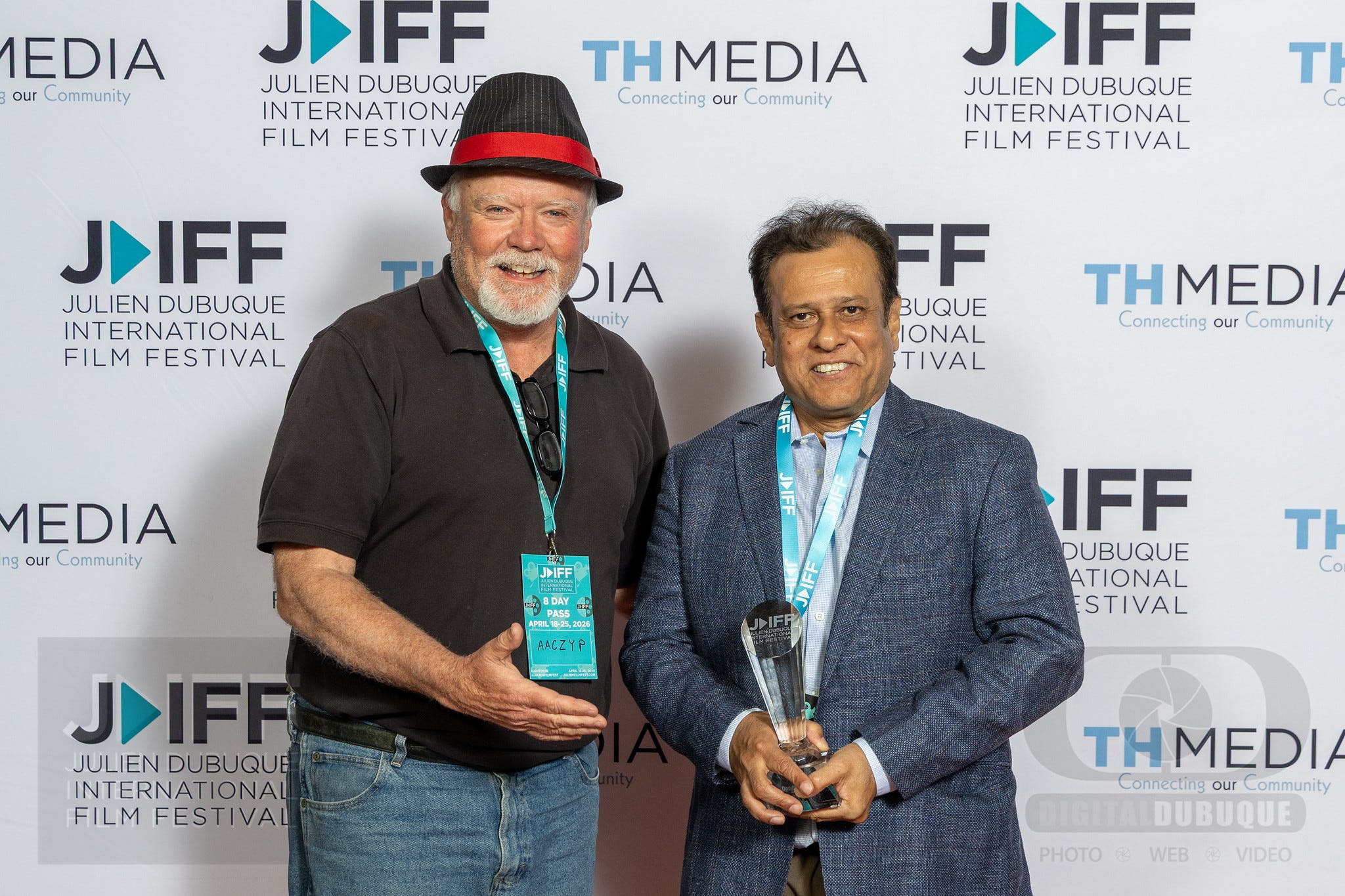
With Bedabrata Pain, director of Deja Vu, best documentary at the Julien Dubuque International Film Festival. Photo: Digital Dubuque.
This is my wrap up for the Julien Dubuque International Film Festival. Last month, in a post titled We Oughta Be in Pictures, I listed 17 films on the marquee that caught my eye, mostly documentaries. I was able to catch nine of them, plus a few others. Each film or block of shorts is screened twice, meaning bilocation is required to see all of them. That is not yet a superpower of mine.
Déjà Vu was awarded best documentary by a panel of judges including three from the International Federation of Film Critics.
I chatted with director Bedabrata Pain about his storyline: What lessons can be learned by farmers in India who are facing the same kind of “free market reforms” imposed on agriculture in the United States last century to the detriment of independent producers. The reforms resulted in consolidation and corporate domination of food industries. (Check out Barons: Money, Power and the Corruption of America’s Food Industry by Austin Frerick.)
The NASA scientist-turned director set off with three colleagues on a 10,000-mile educational journey through the American heartland. They interviewed farmers in Iowa and Wisconsin whose names might be familiar. Chris Peterson, former president of the Iowa Farmers Union, testified on camera: Some farmers committed suicide “by accident” so families could get the insurance money.
John Ikerd, a retired ag economist from the University of Missouri, was interviewed. As a reporter for the Catholic media and later a freelance writer, I heard Ikerd and his peers from land grant universities quoted on behalf of Big Ag throughout the 1980s as they covered the tracks on the backs of family farmers.
Ikerd is quoted in the movie saying the Reagan-era policies “didn’t work.” I asked Pain if Ikerd admitted on camera that he was wrong. Pain said that Ikerd did. I suggested to the director that he shouldn’t have left that admission on the cutting room floor. Reconciliation for family farmers and “restoration” for agriculture will be slow in coming without such acknowledgement. (To his credit, in retirement John Ikerd has pivoted to become an overt advocate for regenerative agriculture and community food systems.)
Director Pain told audience members he wants to do another film to showcase the resilience of American farmers who have figured out how to survive and thrive in a food system rigged against them.
As it turns out, another film screened at the Julien Dubuque Film Fest did just that. “Fork in the Road” is narrated and co-produced by Nick Offerman (he of Parks and Recreation fame). Offerman is a disciple of Wendell Berry. In the film, he meets up with Berry’s daughter Mary, director of the Berry Center, which is “dedicated to bringing focus, knowledge and cohesion to the work of changing our ruinous industrial agricultural system into a system and culture that uses nature as the standard, accepts no permanent damage to the ecosphere, and takes into consideration human health in local communities.”
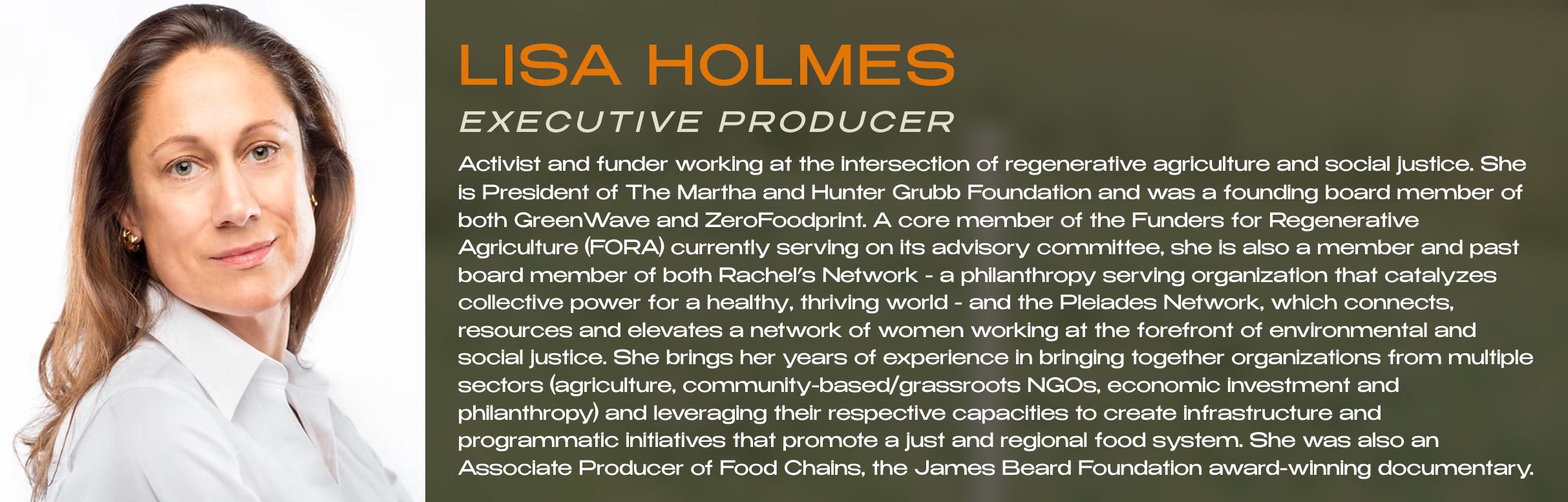
Producer Lisa Holmes visited with film-goers at the Julien Dubuque International Film Festival to to discuss the making of Fork in the Road.
Illustrating these principles in action, the film travels the country to visit growers who are “making it” through science, hard work and the help of food eaters (i.e., consumers). Fork in the Road brings the human dimension to the table through the voices of people dealt raw deals who turned sob stories into success stories (though their struggles are still real.
The bigger picture that emerged for me is that, directly and indirectly, food was a central theme of this film festival, illustrated from several perspectives.
The Little Things That Run The World reveals how the survival of humanity depends on the insects that play the starring role in sustainable food ecosystems. “All we are saying is give bugs a chance” we hear in the film, which quotes leading scientists testifying that humanity is risking an “ecological Armageddon.” Before his death in 2021, entomologist E.O. Wilson iss quoted saying “We are a deadly weight on the rest of life on the planet.”
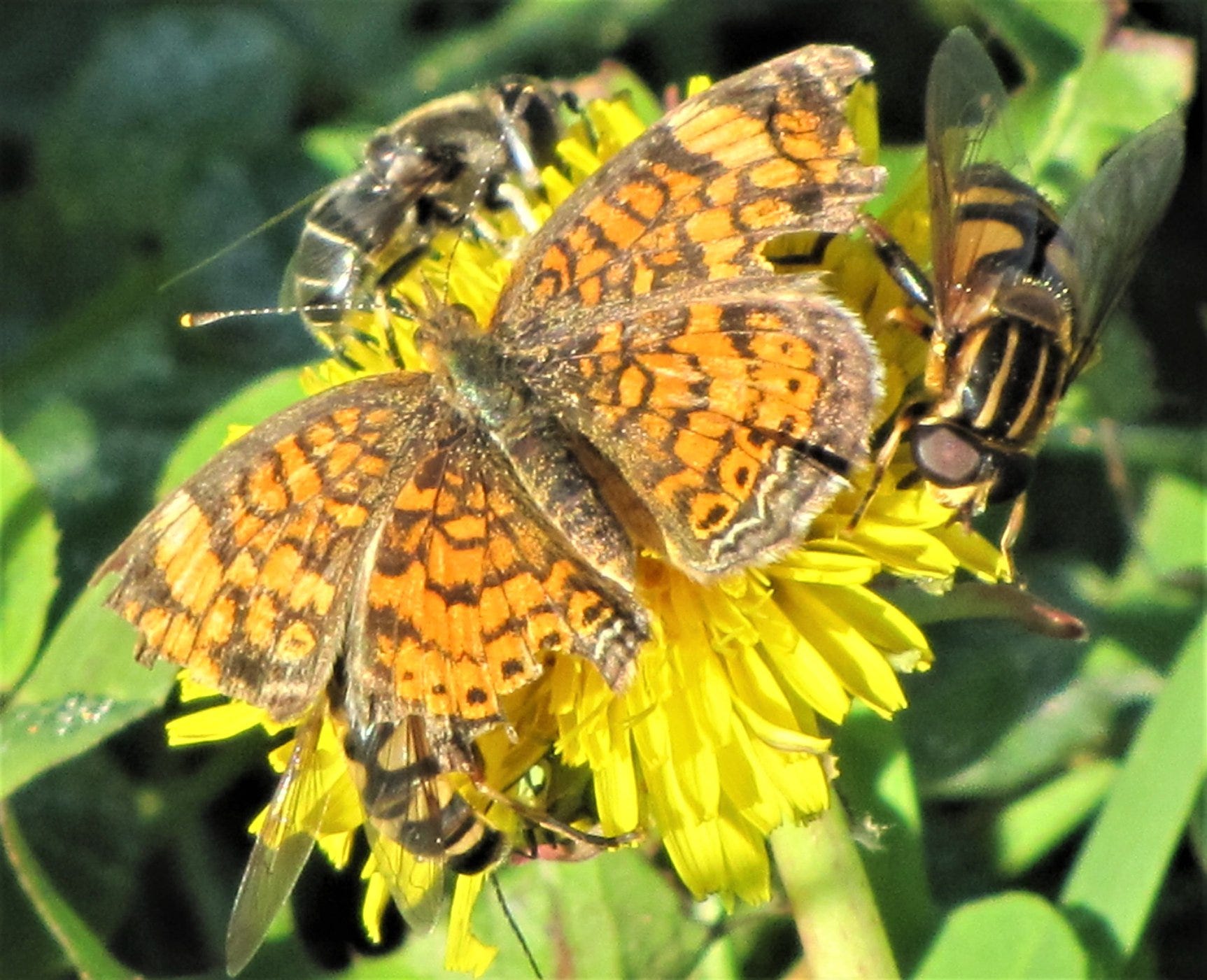
Not just co-existence but interdependence. The Little Things That Run the World reassured me that I am not wasting my time as a wildlife phorographer by capturing images of the insects that make life on Earth possible.
Perhaps the most provocative and fascinating film, The 100 Year Effect follows a scientist and Hollywood producer teaming up to inform the world about the rise of chronic disease, declining life expectancy and the urgent need to ensure the well-being of future generations. How? Better nutrition, starting with mothers and the children in their wombs. According to Dr. Kent Thornburg, the science tells us: When we get it wrong, the personal and societal fallout can last a century. Dubuque was the world premiere for this film. The movie chronicles the creation of National Future Generations Day.
What does all my screen time have to do with public policy? For those who have followed me, you know two of my mantras are:
1. “Public policy is a supply and demand economy” -- Over time, policy-makers supply what citizens in a democracy demand, if that demand is broad and coherently, effectively expressed (and if democracy survives).
2. “No social change without art and music” – If there is science, determined leadership and solid planning behind a change agenda, public awareness and imagination still must be engaged. That requires appealing to both sides of the human brain.
Bring the art of film and a musical score to the family and community tables where, around meals, we discuss our common causes. This dynamic is essential to finding and agreeing on collective pathways from a maladjusted past to a sustainable future. What that future looks requires the political arts of translation and elocution.
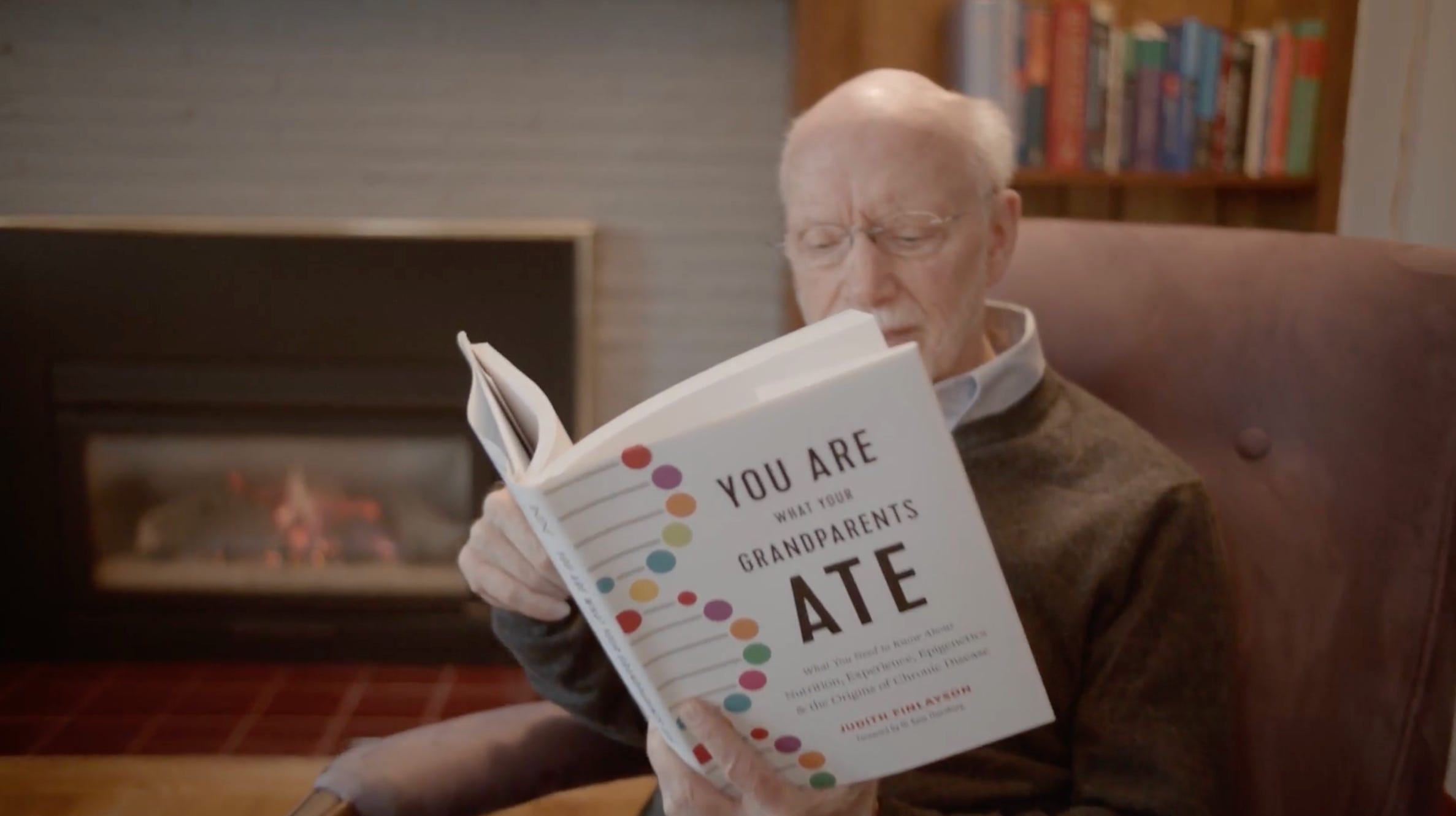
Dr. Kent Thornburg, a medical scientist at Oregon Health & Science University, and Hollywood producer Bill Stuart premiered their film, the 100-Year Effect at JDIFF. They documented why the next generation will be living shorter lives that their parents. Hint: It’s in the food. (Photo captured from the film trailer.)
I watched these movies with audiences of sometimes fewer than a dozen patrons. The connector in me (check out Tipping Point by Malcolm Gladwell) brainstormed in real time the people I know who should and would want to see the films, if only they knew about them.
I suggested the names of some Iowans to the producers and directors. However, an independent filmmaker’s primary mission is to obtain a broad distribution deal to reach the public, if for no other reason than to recover a significant personal investment.
However, I found that most independent filmmakers want to reach people to have an impact. to make a difference. Finding direct lines of communication with audiences and decision-makers who might be informed or influenced by their work may not be a skill in their wheelhouse. Short-circuiting that connection takes the effort of people like, well, you and me, people who think we need new scripts for our farm and food future.
While this may be a wrap on the Julien Dubuque Film Festival, I guess the final production is not “in the can.” Check back for a sequel on the lead actors in Iowa’s “moving picture.”
